Wednesday, December 8, 2010

Eco-Chic Lifestyle Change Week 5: Weekly Review and Final Reflection


I will place any extra food I have after each meal into a bucket to be dropped off and composted at Sara's Table Restaurant (a composting site) each Tuesday evening between 5:00-7:00pm. 

I did really well in achieving my goal this past week.  Once again, between my roommates and myself we were able to fill up three full bags of compostable materials and actually made a couple of trips to Sara's Table.  The only portion of my SMART goal that I did not stick with was when the full compost bags were dropped off. We did do one drop off last Friday as well as one drop off on Monday.

Where I succeeded in my goal was continuing to take all scrap pieces of my food and other compostable items  into the composting bag.  My biggest improvement was composting more than just food scraps. I also composted items such as egg shells, coffee filters, and used matches. What I did to help me be successful in this area was I made a brief list of items I know are used around my home on a regular basis. I also informed my roommates about these other compostable items and they have been doing exceptionally well at remembering them as well.

One challenge that I encountered was the time issue. I'm not too worried about this, however, since it does not seem to be slowing down the momentum of my roommates! Another challenge is that one of my roommates is having a more difficult time remembering to composte. I have suggested that if she does have questions she can ask me. I do plan to create a sign to put up just above our garbage with a list of items that may be composted so hopefully this will make them recheck what they were about to toss away.
It feels great seeing my roommates take initiative themselves and compost with me! This has taken some pressure off of me and reduces the amount of work I would have to do if I were continuing to do this project on my own. I have also notived that our garbage bins have not been filling up nearly as fast as they once were. This could either be a result from us consuming less food, but I'm going to go ahead and assume that the reduced amount of garbage is because we are composting a lot of items.

This past week I learned the importance of reminding my roommates
I plan to continue with the same goal as before and place any excess or outdated items into the composting bucket and bring the bucket to the composting site at the end of the work week.  I do plan to stick with last weeks SMART goal. The main issue I have been dealing with is when I drop off the bags, however, I feel that since they are getting dropped off on a very frequent basis.

My initial SMART goal was to collect any compost items and bring them to Sara's Table on Friday morning from 10:30-11am. I did modify the time quite a lot because it often conflicted with my schedule or was an inconvenient time to compost, ie. late morning was difficult because I try to be on-campus by 9am.

What really helped me succeed was creating reminders for myself by either leaving a note on my shelf or having a list of compostable items readily available. This way I wouldn't become impatient about if I should compost the itme or not. My roommates also played a tremendous role in helping me succeed since I wanted to set a good example for them and, to be honest, reminded me to not be so lazy and help out the environment by composting. The biggest barrier for me was when I would drop off the composting bag.  I do feel that if I were to create a better composting bin for us we would not have to make as many frequent trips up to Sara's Table then we have been.

This project has really taught me how to compost, what it means to compost, and what to compost. I learned that behavior change is possible but there are two items that may be crucial in the succession of the change. One is by selecting a goal that is realistic, it may not be where you would ideally like to be, but if you start small you may work your way up. The other crucial factor is how much support you have, if you inform your friends and family about what you are doing they may hold you accountable to what you said to them which may motivate you to follow through with the behavior change. Informing other may also encourage them and they may want to partake in the change with you! I learned that I can actually compost, haha! I have been wanting to do it for the past year or so but after learning about how much of an impact I am leaving on the earth I wanted to look into adapting behaviors that I wanted to make sure that I am doing my part in helping sustain our environment.

My roommates have benefited tremendously since I started this project. They have been adapting the composting behavior as well along with having the basic knowledge of composting and what it is all about. I actually had a roommate tell me earlier today that there is a place at CSS that has a composting area in the dining room. She said she noticed some things they were doing on campus to promote composting and she informed me when she saw somthing that mentioned composing she thought of me. I can really tell that my roommates are taking composting seriously and have informed a few close friends on the topic. The environment benefits from composting because it reduces the amount of waste that is brought and distributed throughout the landfill.

I do plan to continue composting. I am actually having a lot of fun learning about what items can be composted and what ones can't. The behavior has not been too difficult for me to adapt because I have been wanting to do it for a while and simply needed and incentive to begin. I see composting as kind of a scavenger hunt to be honest. I'm looking for compostable items to place into the bag and I feel once I have found it I can 'check' it off of my list for that day.

I stated two suggestions for people above, which are starting with a realistic goal before 'jumping' in to the behavior. Also, create a support group they will encourage you through the process and may even join you which makes the behavior a little easier to incorporate, if it's being incorporated into your loved one's lives as well.

Blogged for the Eco-Chic Lifestyle Change Week 5 hosted by http://amyintherain.blogspot.com/2010/12/eco-chic-lifestyle-change-week-5-weekly.html

Monday, December 6, 2010

Advocacy Project: Letter to Public Official


December 6, 2010

Roger Reinert
House of Representatives
429 State Office Building
100 Rev. Dr. Martin Luther King Jr. Blvd.
St. Paul, MN 55155
Phone: 651-296-4246

VOTE YES ON H.R. 4722: ACTIVE COMMUNITY TRANSPORTATION ACT OF 2010

Dear Mr. Reinert,

The proposed bill, H.R. 4722: Active Community Transportation Act of 2010, is in critical need of being passed. The proposed forms of alternative transportation will have a large impact on reducing the current high rates of air pollution emission across the State of Minnesota. As a health educator and citizen, I believe our current forms of automotive transportation are producing excessive greenhouse gas emissions, which are detrimental to our environment, at rapid rates and must be reduced. By passing this bill, our state will be will be working towards creating a more eco-friendly environment and healthier citizens within our community.

This program will help provide education and more opportunities for citizens in our community to have access to use alternative modes of transportation. Currently, 28% of all greenhouse gas emissions in the U.S. are produced by automotive transportation, which results in high morbidity and mortality rates amongst citizens in our community. A recent study showed that if every American spent thirty minutes a day walking or bicycling instead of driving greenhouse gas emissions would be reduced by 64 million tons and lose 3 billion tons of excess body weight a year. By reducing rates of automotive transportation in our community, citizens are more likely to be active within the community, build a healthier stamina, and enjoy living a prosperous life with their loved ones. This will reduce the strain for the U.S. to rely on other countries to supply forms of fuel for automotive transportation use and reduce tax rates at the county and state levels.

Opponents of this bill might say that alternative modes of transportation will result in community businesses going out of business and layoff of employees. This might be true, however, there are other businesses that could strive and new businesses develop to adhere to the new needs of the community.

We appreciate your support on developing adequate transportation opportunities for the citizens in your region. We hope you realize the best course of action to protect our community's air is to vote 'yes' for H.R. 4722.

Sonny

FACTS ABOUT GREENHOUSE GAS EMISSIONS AND ALTERNATIVE MODES OF TRANSPORTATION

- Not driving for one day a week could reduce CO2 emissions by 8 pounds per week, or 400 pounds per year.

[Pennybacker, Mindy. Walking, biking, and ride sharing. Do One Green Thing: Saving the Earth Through Simple, Everyday Choices, 214. 2010.]

- When traveling 2,500 miles cross-country, driving emits about twice as much carbon emissions (3,000 pounds) than if you were to travel by plane (1,555 pounds) or train (775 pounds).

[Main, Emily; McRandle, Paul. A calculated loss: how to reduce your global warming emissions. The Green Guide. 2007.]

- Driving more slowly saves 1,500 pounds of CO2 emissions.

[Pennybacker, Mindy. Walking, biking, and ride sharing. Do One Green Thing: Saving the Earth Through Simple, Everyday Choices, 217-219. 2010.]

Friday, December 3, 2010

Reflection: Weeks 9-12

Logo Save Earth Clip Art

In the previous weeks I have primarily learned three key topics: how to advocate, how to compost, and to really think about the products I consume.

Adocacy Project:

In the past few weeks I have been learning what it means to 'advocate' for a right/cause. I have been advocating on using alternative forms of transportation, such as biking, city bus transit, etc. Initially to start out the process I located all of my political representatives -from local to national - and I learned about using THOMAS to look up bills that are proposed to implement throughout the nation. I also answered a number of questions in regards to my topic such as 'Who is affected by the issue?' as well as identifying allies/opponents. This project has really taught me how much effort and time it takes to advocate for a topic. It has also taught me how to advocate in an appropriate manner, it has challenged me to really search for answers and to identify barriers that may be necessary to face. I never realized how much planning and researching went into advocating so I know in the future I will definitely look at both sides of each situation.

Eco-Chic Lifestyle Change:

These past few weeks I have also adapting and incorporating a new behavior into my lifestyle. I chose to begin composting and it has been a great experience! I have never composted prior to this so as the process began I did some research on the topic to figure out what it really means to compost. I learned you can compost a lot of items other than simply food scraps, for example, tea bags. Once I decided I was going to compost I informed my roommates and encouraged them to join me in the process. My roommates have been extremely supportive and have been composting with me. After witnessing how much of an influence this whole process has had on them the thing I feel I have learned the most from this project is knowing that it is okay to share with others about how to promote health for the environment as well as for ourselves. Having the title 'Health Educator,' I'm realizing comes with a lot of responsibilities and reliability. When I inform people of something related to health and they know that I am a health educator they really take what I say to heart and trust that what I am telling them truly must be to improve their lives!

Story of Stuff Video:

Finally, last week our class visited the 'Story of Stuff' webpage and listened to some videos about consumerism and how they items we purchase seem to have little to no effect on those around us, we were informed that more goes on 'behind the scenes' then what we generally notice. One example mentioned the pricing of products we purchase and what they really cost to make. You see the product on the shelf for a great discount, however, the video talked about how in order for the product to be sold at a discount price for you somewhere or someone else is 'paying' more, (ie. someone may have to live in a highly polluted area where the product is manufactured). I remember learning once in my economics course in high school about the term 'TINSTAAFL' (pronounced tin-staff-ul). The word is actually an acronym that stands for 'There Is No Such Thing As A Free Lunch.' Basically, this word defines the message the video was sending and that message is someone/something always has to pay for something. Or you could something cannot come from nothing. There is a chance that someone may receive an item that really didn't cost them anything (ie. a prize a company is giving away), however, what appears to be 'free' is not (the company may have to pay for the item in order to give it as a prize). Since this video I have noticed that I am a lot more cautious about the items I  purchase and I have been informing my family and roommates about to make them aware of the situation.

Overall, I will say these topics have taught me to be more cautious about what I am consuming and to consider who/what has been advantaged or disadvantaged in order for me to get this item (regarding the 'Story of Stuff'), and how I may leave a legacy that challenges others and myself to make sure we are doing all we can to preserve and sustain our environment (regarding advocating and change lifestyle behaviors).

Wednesday, December 1, 2010

Eco-Chic Lifestyle Change Week 4: Weekly Update


I will place any extra food I have after each meal into a bucket to be dropped off and composted at Sara's Table Restaurant (a composting site) each Wednesday between 10:30 - 11:00am. 

I did really well in achieving my goal this past week.  Between my roommates and myself we were able to fill up two full bags of compostable materials.  The only portion of my SMART goal that I did not stick with was the time I dropped off the bag of compost. My roommate actually dropped the bags off Tuesday evening instead of my scheduled time of Wednesday.

Where I succeeded in my goal was taking all scrap pieces of my food and placing it into the composting bag.  What I did to help me be successful in this area was I continued to place the composting bag on my shelf in the fridge which has been a great spot to remind me that once I'm finished eating I should compost any food possible
My roommates also helped me succeed. They have really been amazing at placing their scraps of composting materials into the bag as well. I feel this has been motivating me even more to make sure I'm composting because I am the 'health resource' in our home. I want to make sure that I am continuing to set a good example to them. We have also been continuing to encourage one another to place any scraps into the composting bag and when we go to drop the bags off, we have actually been walking together! This really helps me because than there is more of a motivation for me to walk up to Sara's Table.  If I had continued to do this on my own I know I would be struggling a lot more.

One challenge that I encountered was I again the time factor. Having the drop-off time set for mid-morning was a little inconvenient considering I do try to arrive to school by 9am.  The other 'challenge' that I am facing is that one of my roommates moved the composting bucket outside on our entryway. I do not have a huge problem with this, it is just that now I am having a harder time remembering to save my scraps.  I know she means well and the only reason she placed it outside was because she was afraid the bag may begin to release an unpleasant smell in the fridge.  To resolve this 'issue' I am simply going to hang a sticky note on my shelf in the fridge to remind me. I have also decided to, once again, switch the time I bring the bag(s) to the composting site. I am going to do it Tuesday evening 5-7pm. Often times in the mornings I do feel a little rushed and generally in the evenings I am a little more relaxed and feel as if I have more time to do 'piddly' activities. I feel by giving myself a larger time frame as well will make me feel as if I am having an easier time succeeding with my goal.

I'm sure you're wondering how Thanksgiving went for me, well, as I mentioned in my first eco-chic post my family has always been good about taking scrap food and giving it to our pets. So when we did have leftover scraps after our dinner they were either placed into a bag to be brought out to the chickens the following day or placed on a plate that was brought outside for the dog and cats to clean.

It feels great when I see the composting bag fill up with our scraps. I think it is a great visual to demonstrate how much 'waste' we do produce and that even our scraps tend to add up over time. It is also wonderful seeing my roommates get involved and excited about helping the environment as well.

This past week I learned the importance of sharing what you are doing to help the environment with others. When I initially mentioned what I planned to do with my roommates I thought they would be happy for me, but I didn't think they would get so into it! So it doesn't hurt to inform others about what you are doing because you may never know (or imagine) what kind of an impact that may have on them.

I plan to continue with the same goal as before and place any excess or outdated items into the composting bucket and bring the bucket to the composting site at the end of the work week.  The one thing I will change, again, is the time.  Wednesday at 10:30-11am just does not seem to do it, so I will change the time from Wednesday morning to Tuesday evening.  I am doing this to synchronize with our weekly blog posts as well as so that I may not feel rushed when it comes to completing the behavior change!

Blogged for the Eco-Chic Lifestyle Change Week 4 hosted by http://amyintherain.blogspot.com/2010/12/eco-chic-lifestyle-change-week-4-weekly.html.

Monday, November 29, 2010

Eye Opener: Photo Essay

Have you ever heard the expression 'One person's junk is another person's treasure?' Well, that quote defines the hobby of junking to a tee. When it comes to junking individuals collect items that are old and of no use to others; next the individual creates something from the old item that may be used to serve a new purpose in their home. Junking is a creative way for people to re-purpose and reuse things as well as a great and fun way to make a home more unique to fit the personality of the family living inside it. Junking also benefits the environment! It saves an item from being disposed of when it may no longer be used or serve its intended purpose. This reduces the amount of waste produced and accumulated in addition to reducing the amount of manufacturing that is 'necessary' to create new goods and items for individuals to use.


Junking is what my project represents. The photos I took represent items and pieces I found displayed around my homes, both, in Duluth as well as back home. My mother and I love to craft and create unique pieces and my parents' home definitely resembles just that. I should let you know that my parents live in a log home and the theme displayed throughout it is a 'western' theme; so a number of the pieces I discovered are related to that. In addition, I can not take the credit for creating these items myself. A majority were made by family members or family friends, however, since they have been collected over a large span of years my mother was unable to remember who made what. I will admit that before this project I had never put too much thought into what these pieces really mean, to us and to our environment, and that's leaving a legacy of sustaining our world. 


Mirror - Made from an old horse breast collar used for horse carriages.


Giraffe Memo Holder - Made from a stick, Dixie cup and clothes pin.


Picture Frame  - Decorated with old barbed wire.


Clock - An old clock that was fixed and decorated with old rope.


Pan Cooler/Wall Decoration  - Made from old wine bottle corks.


Necklace - from spare washer fastener and scrapbook paper (that's my mom modeling hers!).


Miniature Hook Rack - welded together from old horse shoes.


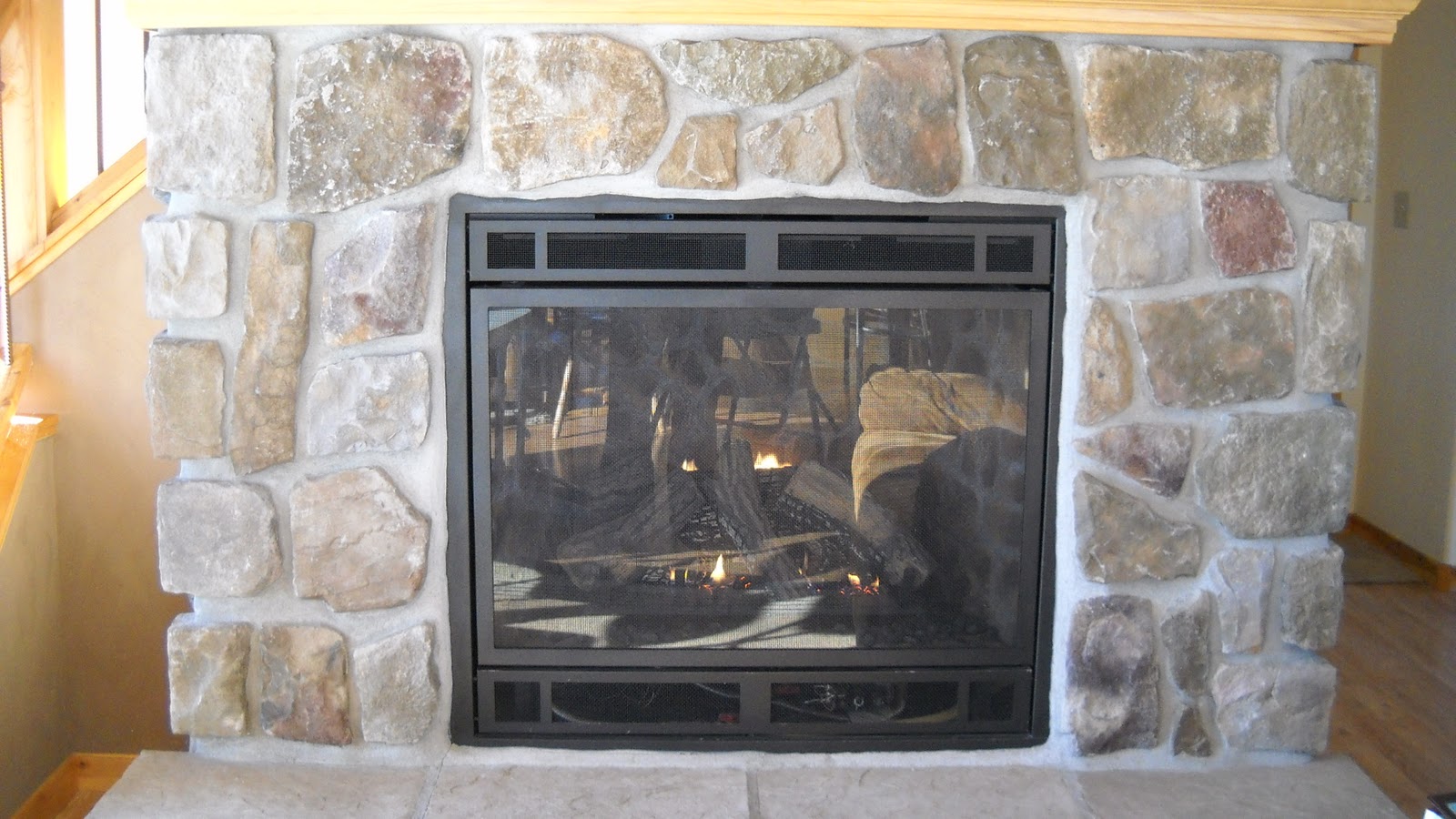
Fireplace - from rocks collected from our farm's fields.


House Decoration - from horse bells worn by horses when they would pull sleighs.


Rail Bars - made from old cementing rods.


House Decoration - from spare rope (sorry it's a little hard to see, it covers the space between the logs and the wall).


Plate Mat - from scrap pieces of leather woven together (that's my Thanksgiving meal on it!).


Sewing Pin Holder - from an animal hoof, scrap pieces of felt, and old jewelry box.


Wall Decoration - from an old cabinet door.


Lamp - post made from an old flute (this is the one I mentioned in a previous post).


Side Table/Storage Bin - from an old suitcase.


Also does anyone know how to get rid of extra spaces that occur in-between paragraphs and pictures!

Wednesday, November 24, 2010

Eco-Chic Lifestyle Change Week 3: Weekly Update


I will place any extra food I have after each meal into a bucket to be dropped off and composted at Sara's Table Restaurant (a composting site) each Friday between 10 - 10:30am. 

I did really well in achieving my goal this past week.  Between my roommates and myself we were able to fill up a full bag of compostable materials.  I even dropped off all of the carved pumpkins that we still had sitting on our front steps from Halloween! The only portion of my SMART goal that I did not stick with was the time I dropped off the bag of compost. I actually dropped the bag off on Saturday afternoon instead of on Friday.

Where I succeeded in my goal was taking all scrap pieces of my food and placing it into the composting bag.  What I did to help me be successful in this area was I continued to place the composting bag on my shelf in the fridge which has been a great spot to remind me that once I'm finished eating I should compost any food possible
My roommates also helped me succeed. In my house we really like to cook food from scratch and so whenever someone had scrap pieces of materials or food I would mention that they could simply place the materials in the composting bag. One way this has been helpful is because now everyone in my house is composting and it's not just me; and that my house is actually encouraging and reminding one another to place the food into the compost bag.  This also helps me because than there is more of a reason for me to walk up to Sara's Table.  If I had been doing this on my own I would have had a lot less food in the bag and because my roommates put their materials in there as well I have more to drop off at the end of the week.

One challenge that I encountered was I realized that I get done with work at 10am.  The reason I chose that time frame was because I thought I could drop off the bag at Sara's Table on my way home from work, however, I realized when I got up Friday morning that I would have to let the bag sit in my car until I finished work and I really did not want my car to smell or, even worse, having the possibility of the bag leaking as it sat. This week was also a little more difficult because I knew I wanted to take our old pumpkins and drop them off as well and since there were a total of five I knew I would have to drive the two blocks up the hill from my house to Sara's Table instead of walking like I imagined. To be honest, the reason I succeeded in finally driving up the hill to drop off my items was the mere fact that I was tired of having to go around the pumpkins in order to get into my house. They were also starting to rot and the sight of them made me feel our home seemed unclean and uninviting.

After I dropped of the items into the bin I felt great! I know it wasn't much but I felt that my little extra effort and time put into the lifestyle change really paid off. As soon as I placed the items into the bin it felt as though I was actually taking action and initiative in helping out the environment! I wasn't necessarily just learning information and 'storing' it away in my mind for later, I was actually doing what I learned and putting it into practice and good use!

This past week I learned how fast and accessable the composting bin was. I had never ventured over to the drop-off spot before and I learned that the bin is located outside. This made me really excited because then if I ever do run late for dropping off the bag I can still go and drop it off at any time, and do not have to necessarily wait for the restaurant to open.

I plan to continue with the same goal as before and place any excess or outdated items into the composting bucket and bring the bucket to the composting site at the end of the work week.  The one thing I will change is the time.  Friday at 10-10:30am just does not seem to do it, so I will change the time from Fridays to Wednesdays at 10:30-11am.  I am doing this to synchronize with our weekly blog posts as well as I figure with Thanksgiving just around the corner I will have enough food to make a trip to the composting site earlier!

Blogged for the Eco-Chic Lifestyle Change Week 3 hosted by Amy @ Amy in the Rain.

Monday, November 22, 2010

Advocacy Project: Issue Overview


Introduction

What is the issue/problem?

Finding and allowing access to alternative modes of transportation to reduce traffic air-pollution emission.  A current legislation proposed to address this concern is H.R. 4722 Active Community Transportation Act of 2010.

Who is affected by the issue?

Who is affected the most? - Citizens who live or work in urban settings are exposed to higher rates of traffic-air pollution due to these areas having higher populations and higher usage of automotive transportation.  This means larger amounts of toxins are emitted and released into the air of a certain perameter.

Who loses, what do they lose? - Citizens in urban settings lose breathing in clean air and have an increased risk of mortality and morbidity rates.

Who gains, and what do they gain? - City businesses and political parties gain money profit by providing goods and services related to the citizen's needs.

What are the consequences of the issue?

For the individuals mostly affected? - Citizens who work or live within urban settings have an increased risk of morbidity and mortality rates occuring.

For their families? - Families' financial stability decreases as poor health results.  Children who grow up in these settings are also very likely to develop health complications early in life and may have a difficult time working productively as they age.

For society? - Citizens who do have poor health often have to miss work due to illness and may have a decrease in work productivity.  An increase in the number of doctor visits may result, which will cost the individual and their company health insurance funds.  When an employee's productivity decreases the productivity of the company decreases as well.

What is the economic impact of the issue?

What are the economic costs of the issue, and who bears these costs? - An economy is stable when the city is stable.  If company's in the city are not able to sustain their income and make a gross profit then the company begins to struggle, ie. companies go out of business.  Citizens bear the most weight of the costs since if a company does go out of business the citizen is now unemployed and is forced to seek other options, whether it be finding another job or moving to another city.

What are the economic benefits of the issue, and who benefits? - The city would grow through the increasing returns and profit that would go to companies in the city.  Citizens would have lower mortality and morbidity rates enabling them to work longer and more efficiently.

What is the social impact of the issue?

What are the social costs of the issue, and who bears these costs? - Families may not be able to afford participating in social events due to a family member having poor health conditions.  If the citizen becomes physically unable to work the city may have to help support the family through financial compensation.

What are the social benefits of the issue, and who benefits? - Companies may benefit from this issue since citizens rely on purchasing goods, such as gasoline, in order to travel to and from their destinations.

What are the barriers?

What are the barriers to addressing this issue? - Deciding how to fund and who will fund the intial investments necessary to incorporate the issue in the community. Citizens who may not want the potential increase in their taxes may not be supportive. There will also be companies within the city who will be strongly opposed to the issue and refuse to support the issue.

How can they be overcome? - The city and community may fundraise and receive donations. Approaching and educating citizens and companies opposed to supporting the issue.  Inform them of the pros and cons of the situation and how their families and companies would benefit after the issue is addressed.

What are the resources?

What resources will we need to address this issue? - Providing educational opportunities for the citizens, companies, and political offices to partake in so they may be fully aware and fully informed of the issue. Provide funding and implementation for educational programs.

Where and how can they be tapped? - Environmental and health educators may educate citizens, companies, and political offices about health risks related to traffic air-pollution.  Funding necessary for the projects may be acquired through donations from supportive agencies or fundraising through supporting companies and events.  Getting agencies such as Environmental Protection Agency (EPA) involved.  Lobbying and educating resources may come from trained volunteers who support the issue.

What is the history of this issue?

What is the history of the issue in the community? - Citizens within the community have decided to choose alternative modes of transportation, such as public transit or biking.  A majority of citizens continue to use automotive transportation as their main mode of transport.

What past efforts were made to address it? - More efforts such as creating bike paths and sidewalks have been implemented.

What were the results? - Citizens did begin to utilize the sidewalks and bike paths; however, paths often did not connect up at some point with the citizen's destination or was not the most convenient option.  So citizens continue to use automotive transportation.

Allies & Opponents

Who would support this issue? - Environmental Protective Agency, hospitals, environmentalists, health educators, citizens who have suffered poor health as a result of traffic air-pollution.

Who would oppose this issue? - Gas stations, hospitals, auto-repair shops, car dealerships due to less business which could result in layoff of employees and/or the company going out of business.

How can you involve allies and opponents in advocacy efforts? - Reminding companies that they need healthy workers in order to effectively and continually grow in size and finances. Could mention that traffic air-pollution, if not changed, will greatly affect the health of generations to come.  Suggest gas stations, auto-repair shops, and car dealerships offer supplies to provide maintenance services and tools for alternative transportation items, such as bicycles.

Your Recommendation

Vote 'Yes' for H.R. 4722 Active Community Transportation Act of 2010.